In 2025, neighborhood markets have become vibrant hubs where culture, connection, and commerce come together. While online shopping still dominates for convenience, more people are turning to their local weekend markets for everything from fresh produce to handmade crafts. These markets offer a refreshing alternative—face-to-face interaction, community spirit, and a slower, more intentional shopping experience.
Whether it’s a Saturday farmers’ market or a monthly street bazaar, these events bring life to neighborhoods. People stroll with reusable bags, chat with local vendors, and sample homemade food. It’s not just about what you buy—it’s about who you meet and the stories behind each product.
Supporting Small and Local Businesses
One major reason neighborhood markets are thriving is the growing support for small businesses. In 2025, shoppers are more mindful about where their money goes. Instead of contributing to massive corporations, they want to invest in local bakers, farmers, artists, and makers. These entrepreneurs rely on markets not just for sales, but for visibility and connection.
When you shop at a local market, you often meet the person who made your bread or grew your lettuce. You learn about their process, their challenges, and their pride in their work. This personal connection builds loyalty and appreciation—and turns every purchase into a meaningful exchange.
Cultural Diversity on Display
Neighborhood markets are also celebrating cultural diversity in exciting ways. In 2025, many vendors share products and dishes inspired by their heritage. You might find Filipino kakanin next to Italian focaccia, or handmade textiles from Indigenous weavers displayed near modern jewelry from young designers. These markets have become places to explore the world without leaving your town.
It’s also common to see cultural performances—live music, dance, storytelling, or spoken word—bringing even more richness to the market atmosphere. This blending of commerce and culture creates a space where everyone feels seen, welcomed, and inspired.
Food as the Main Attraction
One of the biggest draws of neighborhood markets in 2025 is, of course, the food. From organic vegetables to vegan pastries, street tacos to artisanal jams, food vendors are raising the bar with fresh, homemade offerings that reflect both tradition and innovation. Shoppers come not just to buy groceries but to enjoy meals on the spot and discover new flavors.
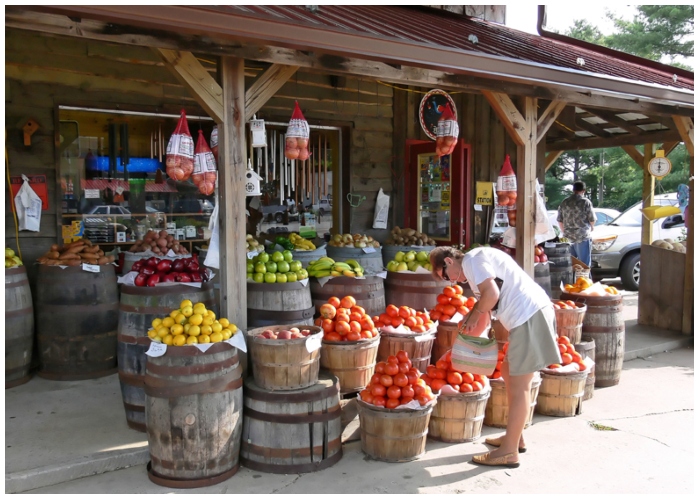
Many people now use market trips as weekend rituals. Families bring kids, friends meet up for lunch, and couples browse while sipping cold brew. It’s become a fun, affordable outing that supports health and local enterprise. Even those on tight budgets find ways to enjoy the market—whether it’s by snagging produce deals or sampling free bites from generous vendors.
Creating Greener Communities
In 2025, neighborhood markets are also making an environmental impact. Many have adopted eco-friendly practices like composting stations, plastic-free policies, and incentives for bringing your own bags or containers. By sourcing food locally, they reduce the carbon footprint associated with shipping and packaging.
Vendors are also more conscious of sustainable production—offering upcycled products, reusable goods, and natural materials. Customers notice and appreciate the effort. These small acts add up, turning local markets into role models for greener living.
Spaces That Build Social Ties
Perhaps most importantly, neighborhood markets are creating space for people to connect. In today’s fast-paced, often digital world, markets bring back human interaction. You can strike up a conversation with a stranger while waiting in line or reconnect with neighbors you haven’t seen in months.
This sense of togetherness has lasting effects. Local friendships grow, informal support systems develop, and communities begin to feel more cohesive. In 2025, especially after years of isolation and disconnection, these in-person spaces are more valuable than ever.
Neighborhood markets in 2025 are more than just places to shop—they’re spaces where local culture thrives. They celebrate creativity, encourage sustainable habits, and foster real relationships between people who live side by side. As cities grow and change, these markets remind us that the most powerful connections often begin close to home.
Whether you’re shopping for fresh fruit, hunting for unique gifts, or just soaking in the vibe, spending a morning at your local market offers something that online retailers never will—authentic community.