In 2025, homeowners are upgrading their kitchens not just for style—but for simplicity, efficiency, and smarter living. Thanks to new technology and clever design, it’s now easier than ever to cook, clean, and organize without adding stress to your day. The kitchen, once the busiest and most chaotic room in the house, is now being transformed into a calm and functional hub.
People want spaces that work harder for them. Whether it’s a touch-free faucet, a voice-activated oven, or a fridge that reminds you what’s running low, kitchen innovations are making daily routines smoother and more enjoyable.
Touch-Free Is the New Standard
One of the biggest changes in 2025 kitchens is the move toward hands-free features. Touchless faucets, for example, let you wash your hands or rinse vegetables without turning a knob. Smart soap dispensers and motion-activated lights add another level of convenience, especially when your hands are full.
These upgrades aren’t just about convenience—they also help keep the kitchen cleaner and more hygienic. Families are loving the added ease, and many of these features can now be installed affordably even in older homes.
Smart Appliances Do the Thinking
Appliances in 2025 are smarter than ever. Many ovens now come with built-in sensors and mobile app connections that let you control cooking times from your phone. Some models can even recommend recipes based on what’s in your fridge.
Smart refrigerators are especially popular. They track expiration dates, send grocery alerts, and let you peek inside through an app when you’re shopping. These features cut down on food waste and help households stay more organized without extra effort.
Better Storage, Less Stress
Even with all the new tech, good storage remains key to a great kitchen. In 2025, smart storage is about more than just adding shelves—it’s about creating systems that match how you live. Pull-out drawers, rotating racks, and modular cabinets help make the most of every inch.
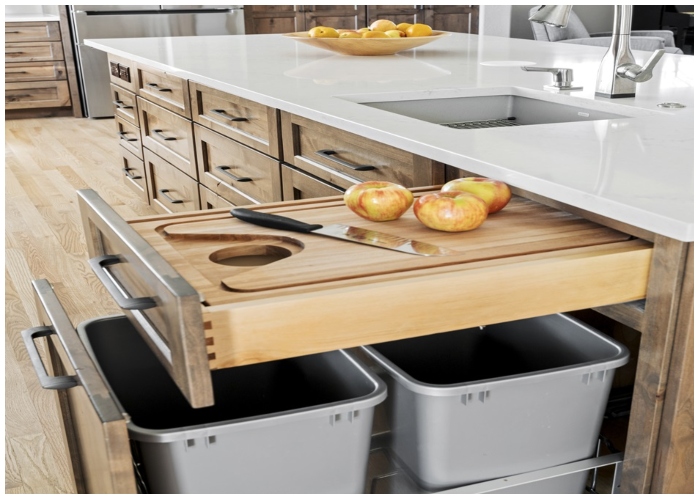
People are also using labeled bins, tiered organizers, and stackable containers to keep pantries neat and easy to navigate. Instead of digging for ingredients or dealing with messy drawers, everything has a place. This reduces clutter and makes cooking feel more enjoyable, even in smaller kitchens.
Energy-Efficient Choices
Sustainability continues to play a major role in home design, and the kitchen is no exception. In 2025, more people are investing in appliances with lower energy use, better insulation, and smart features that conserve resources.
For example, dishwashers that adjust water usage based on the load or induction cooktops that heat only the pot—not the surface—are becoming common.
Style Meets Function
While smart features are important, homeowners in 2025 still care about aesthetics. The modern kitchen blends technology with natural materials, soft lighting, and earthy tones. Open shelving, matte finishes, and mixed textures like wood, metal, and stone are creating warm, inviting spaces.
People are using their kitchens not just for cooking, but also for connecting. Whether it’s helping kids with homework at the counter or chatting over coffee in a cozy breakfast nook, the kitchen has become a space for togetherness. The design reflects this shift—blending functionality with comfort and style.
Easy Upgrades for Any Budget
You don’t need a full renovation to enjoy the benefits of a smart kitchen. In 2025, homeowners are starting small: adding a smart speaker for voice-controlled timers, replacing old bulbs with smart lighting, or installing a motion-sensor trash bin.
For renters or those on a tight budget, portable induction cooktops, battery-powered sensors, and smart plugs offer affordable ways to bring high-tech features into any kitchen.
Smart kitchen upgrades in 2025 are making homes more efficient, comfortable, and enjoyable to live in. With a blend of technology, thoughtful design, and better organization, today’s kitchens are built to support your lifestyle—not slow you down. Whether you’re cooking for a crowd or just trying to make weeknight dinners easier, a few smart changes can go a long way. Start with what matters most to you, and build from there—because in the heart of the home, even small improvements can make a big difference.