In 2025, more people are turning to body‑weight strength training as a practical way to stay fit. Gym memberships, equipment costs, and busy schedules can make traditional workouts challenging to maintain. Body‑weight training solves these problems—it’s free, flexible, and can be done in any space. From push‑ups and squats to planks and lunges, these exercises use your own weight as resistance, helping you build muscle, boost metabolism, and improve overall health.
Unlike specialized equipment, body‑weight movements mimic real‑life actions, making them functional and effective. You engage multiple muscle groups at once, improving balance, coordination, and core stability.
Muscle Growth Without Machines
Many believe you need heavy weights to build strength, but science shows consistent body‑weight exercises trigger muscle growth, too. The key is progressive overload—gradually making exercises harder over time. In 2025, fitness coaches recommend simple tweaks such as slower tempos, extra repetitions, or advanced variations like pistol squats and decline push‑ups to keep the muscles challenged.
Because body‑weight training involves compound movements, you recruit large muscle groups together. This not only builds muscle but also burns more calories in less time. As a bonus, engaging stabilizer muscles around joints reduces injury risk in daily life and other sports.
Cardio and Strength in One Session
Body‑weight workouts can double as cardio when arranged in circuits. Switching quickly from move to move keeps your heart rate elevated, delivering cardiovascular benefits alongside strength gains.
In 2025, busy professionals are using short high‑intensity body‑weight circuits—think 20 minutes of alternating jumping lunges, mountain climbers, and plank jacks—to meet both cardio and strength goals in a single session. This approach saves time and removes the need for separate cardio days.
Minimal Space, Maximum Flexibility
A major advantage of body‑weight training is how little space you need. A small living‑room corner, hotel room, or a spot in the park is enough. In 2025, remote workers and travelers rely on quick routines between meetings or sightseeing.
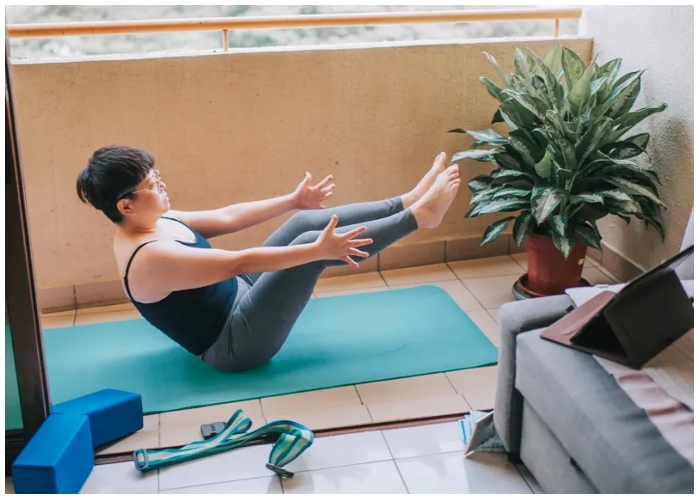
Because the format is so flexible, you can work out in micro‑sessions throughout the day: ten push‑ups after an hour of desk work, a plank during a study break, or a short squat set before cooking dinner. These mini‑workouts add up, keeping energy high and breaking up long periods of sitting.
Mental Benefits Beyond Muscle
Strength training isn’t purely physical. Body‑weight exercise boosts mood by releasing endorphins and reducing stress hormones. Learning new variations—like crow pose holds or handstand progressions—also stimulates the brain, improving focus and confidence.
The sense of achievement from mastering a movement—say, your first full pull‑up or flawless set of triceps dips—builds self‑belief. Over time, this confidence transfers to other life areas, reinforcing resilience and a growth mindset.
Creating Your Own Routine
Designing a beginner‑friendly body‑weight plan is simple:
-
Choose five foundational moves: squats, push‑ups, glute bridges, plank holds, and reverse lunges.
-
Perform each for 40 seconds, rest 20 seconds, then move to the next exercise.
-
Complete three to four rounds, two to three days per week.
As you improve, progress by slowing the lowering phase, adding a pulse, or holding the end position. For variety, sprinkle in burpees, bear crawls, or wall sits. Consistency and gradual challenge are the secrets to continued results.
Recovery and Mobility Matter
Because body‑weight training often involves full‑body movements, recovery is essential. In 2025, fitness experts suggest pairing strength days with mobility work—think dynamic stretching or yoga flows—to keep joints healthy and muscles pliable.
Listening to your body is key. If you feel persistent soreness or fatigue, take an active rest day—light walking or gentle stretching—to keep blood flowing without additional strain.
Body‑weight strength training has become a cornerstone of wellness in 2025 because it removes barriers: no costly gear, no commuting to the gym, and no strict time slots. Whether you’re at home, in a hotel, or outdoors, you can build muscle, boost heart health, and sharpen your mind using movements you already know.
Start small with consistent sessions, challenge yourself gradually, and celebrate every milestone—from your first solid plank to advanced single‑leg squats. Your body is the only tool you need to become stronger, leaner, and more confident—anywhere, anytime.