In 2025, community gardening has become one of the most heartwarming cultural shifts of the year. As more people seek balance, connection, and sustainability, shared green spaces are popping up in neighborhoods, apartment complexes, schools, and even empty city lots. These gardens are more than just places to grow herbs and vegetables—they’re helping people feel rooted again in their local communities.
Instead of heading to crowded supermarkets, families are growing their own food just steps from their homes. Some gardens are run by volunteers, while others are supported by local governments or nonprofits. But all of them share the same purpose: creating a space where people can work together, share knowledge, and enjoy the benefits of nature.
Growing More Than Just Plants
The benefits of community gardening go far beyond the harvest. In 2025, people are using gardening as a way to improve their mental health, reduce stress, and build meaningful relationships. Planting and nurturing something from the ground up offers a sense of accomplishment and purpose. Even a small patch of green can bring joy and relaxation after a long day.
These gardens are also breaking down social barriers. Neighbors who might never have spoken before are now trading tomatoes, watering each other’s plants, and sharing gardening tips.
Teaching the Next Generation
Another reason community gardening is booming in 2025 is its educational value. Schools, after-school programs, and youth centers are introducing kids to gardening not just as a science lesson, but as a life skill. Children learn where food comes from, how ecosystems work, and the importance of patience and care.
Many gardens now include areas designed just for kids, with smaller tools, kid-friendly crops like strawberries and lettuce, and colorful signs explaining how to plant and harvest. These spaces help children connect with nature in a screen-heavy world—and give families a reason to spend more time outdoors together.
Fighting Food Insecurity
Community gardens are also playing a role in addressing food insecurity. In many cities, access to fresh produce is limited, especially in underserved neighborhoods. In 2025, more grassroots organizations are using community gardens to provide free or low-cost fruits and vegetables to local residents.
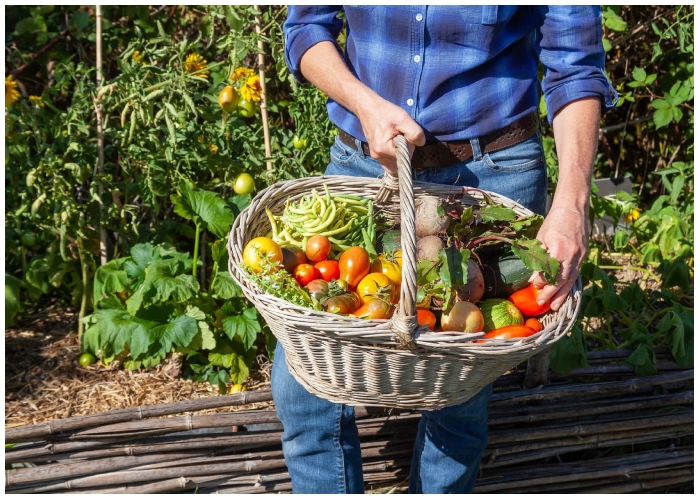
Some gardens donate their harvests to food banks, while others offer “take what you need” boxes. By growing food close to home, these gardens are reducing dependence on long supply chains and making fresh, nutritious meals more accessible to everyone, regardless of income.
Supporting Local Culture and Traditions
What’s grown in community gardens often reflects the people who plant them. In 2025, multicultural neighborhoods are growing crops from their heritage—Filipino families planting calamansi and malunggay, Latinx gardeners tending chili peppers and corn, or Asian communities cultivating bok choy and bitter melon. These choices turn each garden into a celebration of diversity.
Cultural traditions around food are passed down between generations in these shared spaces. Grandparents teach their grandkids how to care for native plants, while neighbors swap recipes inspired by the harvest. The result is a living, breathing expression of culture that you can taste, smell, and share.
A Low-Cost Way to Build Healthier Lives
One of the most appealing parts of community gardening in 2025 is that it’s accessible. You don’t need fancy tools or expensive memberships. Seeds are cheap or even free. All you need is a little space, some sunlight, and a willingness to try.
Even those with physical limitations can participate. Raised beds, vertical planters, and small-scale plots make it easier for people of all ages and abilities to take part. And for apartment dwellers without access to land, shared rooftop gardens and container projects offer alternative solutions.
Community gardening is more than a trend in 2025—it’s a quiet revolution. It’s reminding people that progress doesn’t always mean high-tech. Sometimes it means slowing down, growing your own food, and sharing the experience with others.
If you’ve been feeling disconnected, tired of screen time, or just curious about where your food comes from, try visiting or joining a local garden. You might dig a little deeper and find more than you expected—fresh air, new friendships, and a renewed sense of belonging.